Skip to product information
1 of 4

Peptides of London

KPV 10mg

KPV 10mg

Regular price £49.99 GBP
Regular price Sale price £49.99 GBP
Sale Sold out
Taxes included. Shipping calculated at checkout.

KPV 10 mg – Ultra-Pure Tripeptide for Advanced Research


KPV (Lys-Pro-Val) is a synthetic tripeptide derived from the C-terminal fragment of the endogenous peptide α‑MSH (alpha-melanocyte-stimulating hormone), widely investigated for its potent biochemical roles in immune regulation, anti-inflammatory signalling, and tissue-repair pathways in pre-clinical and cell-based research settings.  


Originally identified in gastrointestinal and skin-inflammation studies, KPV has been the subject of peer-reviewed research assessing its effect on cytokine modulation (e.g., IL-1β, TNF-α), NF-κB pathway inhibition, and epithelial barrier repair in laboratory models.  


⚙️ Peptide Specifications

Sequence: Lys-Pro-Val (K-P-V)

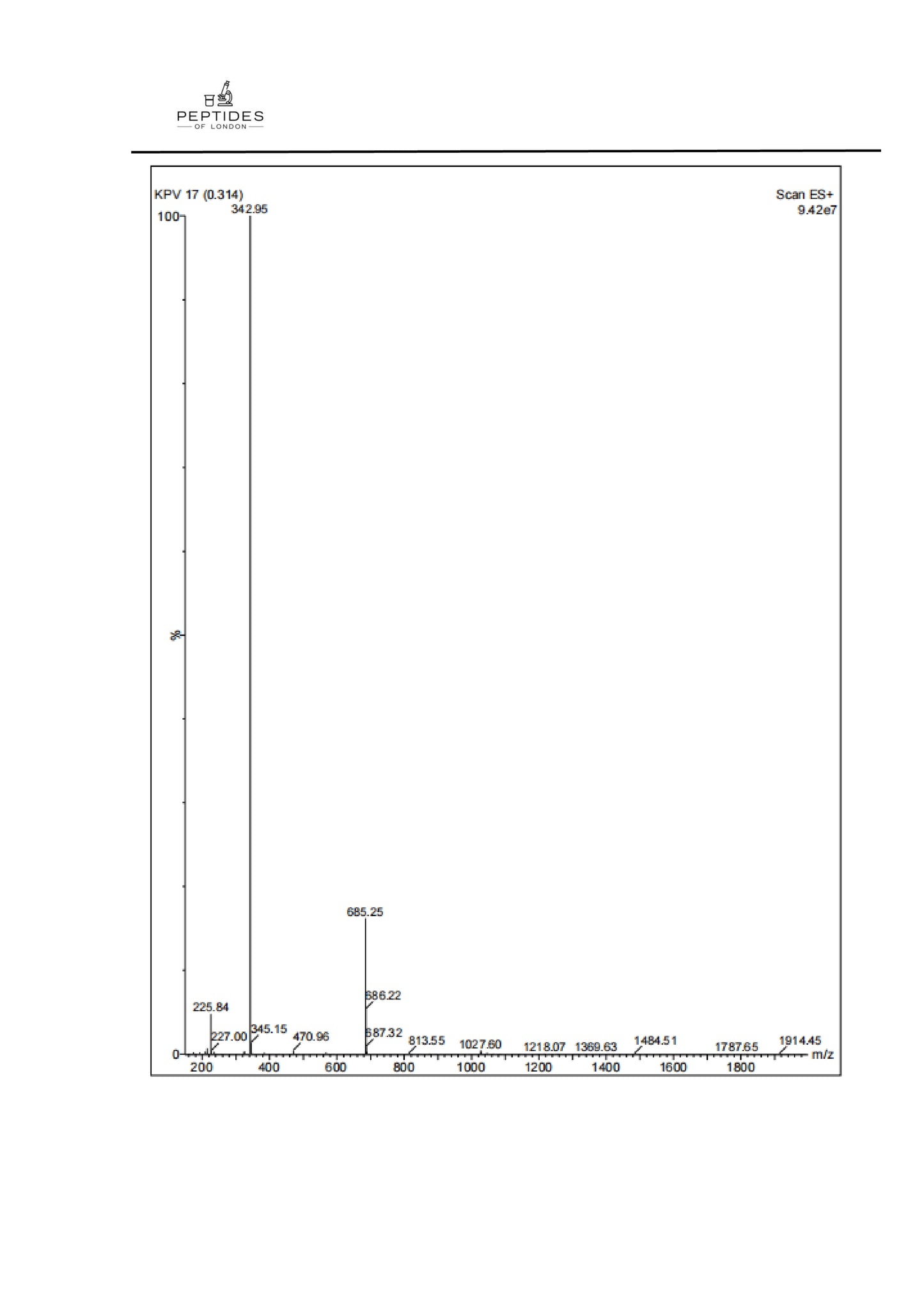
Molecular Formula: C₁₆H₃₀N₄O₄  

Molecular Weight: ~342.43 g/mol  

Appearance: White to off-white lyophilised powder  

Purity: ≥99%

Solubility: Soluble in sterile water (or bacteriostatic water) – for laboratory use only  

Storage: Store lyophilised at 2-8 °C for short-term; –18 to –20 °C recommended for long-term storage. After reconstitution, follow your institution’s SOPs.  

Packaging: Supplied as a 10 mg glass vial (lyophilised tripeptide) – free of additives, for research use only.


🧪 Scientific Insight & Synergistic Research

Anti-Inflammatory & Immune Regulation

In pre-clinical models, KPV has demonstrated modulation of pro-inflammatory cytokines (for example TNF-α, IL-1β) and inhibition of NF-κB signalling, indicating a role in regulating inflammation rather than broadly suppressing the immune system.  

Epithelial Barrier & Tissue-Repair Activity

Research shows KPV supports epithelial barrier integrity (e.g., in gut mucosa models) and accelerates wound-closure in certain cell/animal experiments.  

Synergistic Research Potential

KPV is typically investigated in laboratories alongside other peptides and signalling modulators, particularly in contexts linking immunology, inflammation, tissue regeneration and cellular repair. The small size and defined structure (only three amino acids) makes it a useful tool in structure–activity relationship (SAR) studies of peptide fragments.  


Published literature suggests KPV remains an important target for advanced research programmes—especially those focused on inflammation, immune-cell signalling, and barrier/tissue repair in preclinical systems.


🧪 For Laboratory Research Use Only

Not intended for human consumption or therapeutic application.

View full details